


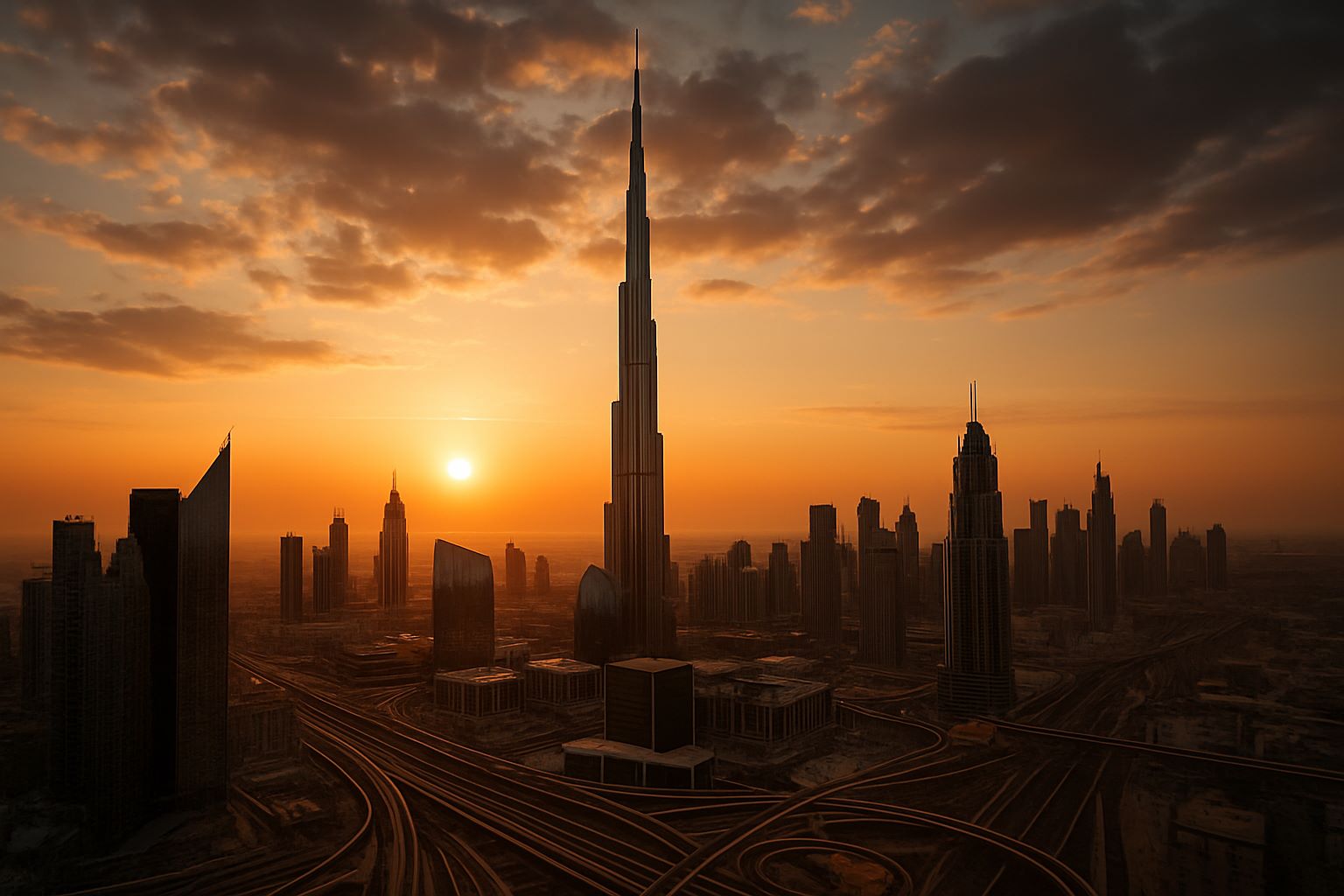

Few modern structures symbolize architectural ambition like the Burj Khalifa. In this comprehensive exploration of Burj Khalifa architecture, we dive into how this record-breaking tower became one of the most iconic and influential buildings of the 21st century. Rising 828 meters above Dubai, the Burj Khalifa stands not just as the tallest building in the world but as a masterpiece of design, engineering, and sustainability-focused innovation.
From its nature-inspired geometric form to its pioneering buttressed core structural system, Burj Khalifa architecture demonstrates how creativity and engineering precision can push boundaries once thought impossible. Whether you are an architecture enthusiast, student, engineer, or curious traveler, this deep review will help you understand exactly what makes the Burj Khalifa a timeless architectural achievement.
Table of Contents
1. The Vision Behind the Burj Khalifa
The Burj Khalifa originated not merely as a record-breaking tower but as a symbol of Dubai’s transformation into a global metropolis. Spearheaded by Emaar Properties and designed by Adrian Smith of Skidmore, Owings & Merrill (SOM), the project aimed to:
- Anchor a new downtown district
- Position Dubai as a global design hub
- Create a vertical mixed-use community
- Demonstrate architectural innovation at unprecedented scale
When construction began in 2004, the ambition was bold: create an engineering masterpiece capable of withstanding desert conditions, intense wind forces, and the logistical challenges of extreme height. The result is a structure that continues to influence supertall building design worldwide.
2. Architectural Concept & Form Development
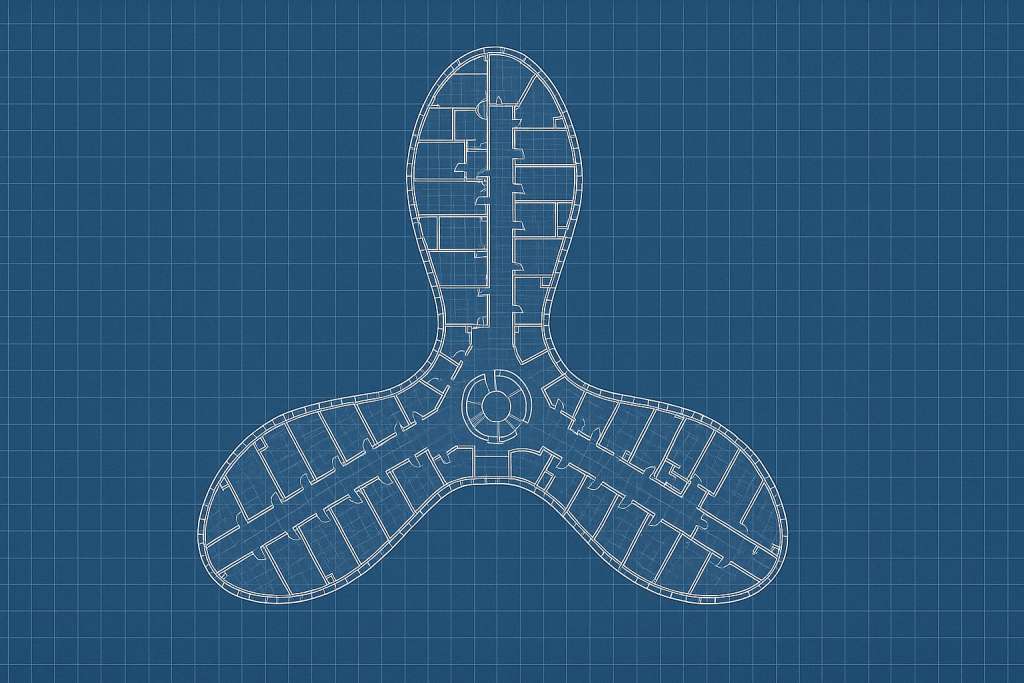
At the heart of the tower’s design is a triple-lobed Y-shaped footprint, inspired by the Hymenocallis desert flower. This form is visually striking yet deeply functional, offering:
Key Advantages of the Triple-Lobed Plan
- Wind load reduction through aerodynamic shaping
- Enhanced structural stability
- Efficient floor layouts for residences, offices, and hotels
- Increased natural light exposure
- Panoramic views from nearly every interior space
The tower tapers as it rises, creating a stepped silhouette—both aesthetically elegant and structurally beneficial. The sleek exterior façade, comprising more than 103,000 square meters of reflective glazing, helps mitigate extreme heat and sunlight in Dubai’s desert climate.
3. Engineering Breakthroughs that Redefined Skyscrapers
Constructing a building of this magnitude required numerous engineering advancements.
High-Performance Concrete
Concrete mixes were specially designed to withstand Dubai’s harsh temperatures. Engineers used:
- Temperature-resistant, low-permeability concrete
- Nighttime pours to reduce thermal cracking
- Record-breaking vertical pumping over 600 meters
Cooling & Thermal Management
Dubai’s heat required carefully engineered systems:
- Zoned cooling tailored for different elevations
- Insulated piping to prevent heat absorption
- Solar-resistant coatings to reduce interior temperatures
Façade Innovations
The tower’s curtain wall integrates:
- High-performance reflective glass
- Aluminum and steel elements resistant to wind and heat
- Panels shaped to reduce wind turbulence
4. The Buttressed Core: A Structural Revolution
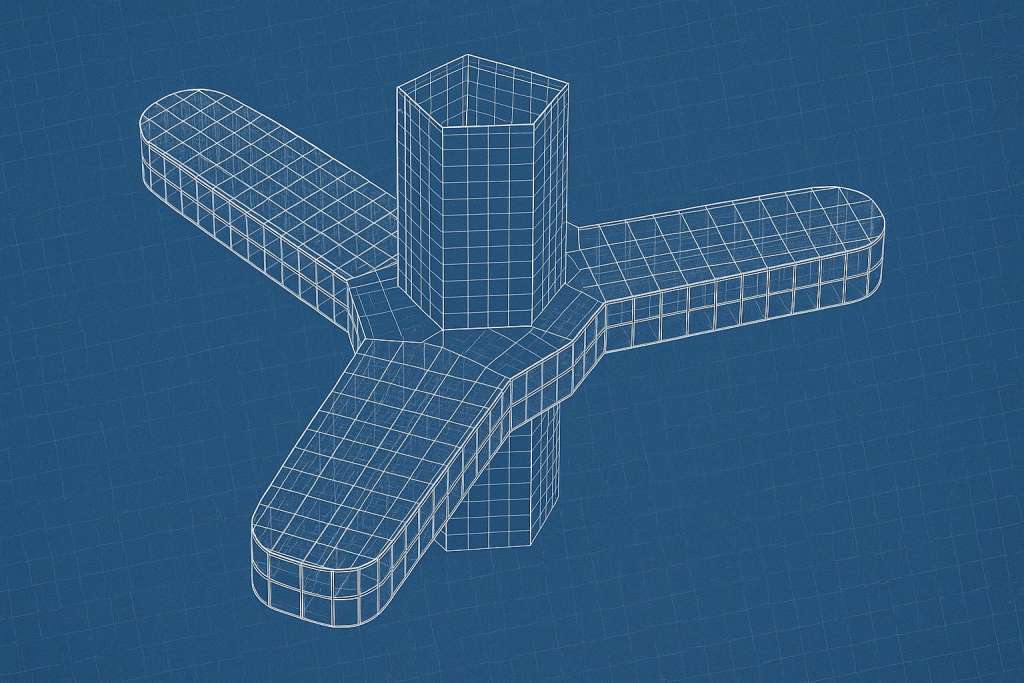
The Buttressed Core system is perhaps the Burj Khalifa’s most influential engineering innovation.
What Is the Buttressed Core?
A hexagonal central core is reinforced by three buttresses, creating a frame with exceptional stiffness and stability.
Why It Matters
- Resists extreme lateral wind loads
- Allows flexible interior layouts
- Maintains structural efficiency at extreme heights
- Serves as a model for future megatall towers
This system has redefined supertall building engineering and influenced skyscraper projects worldwide.
5. Sustainability Features of the Burj Khalifa
Despite its luxury status, the tower integrates several innovative sustainability strategies.
Energy Efficiency
- High-performance glazing reduces solar heat gain
- LED lighting minimizes electricity usage
- Zoned HVAC systems improve cooling efficiency
Water Collection & Recycling
A notable feature is the condensation collection system, which recovers up to 15 million gallons of water annually for:
- Irrigation
- Cooling towers
- Public landscape features
Material Sustainability
- Locally sourced materials wherever possible
- Lifecycle durability considerations in concrete and steel
These decisions help reduce environmental impact despite the building’s scale.
6. Wind Engineering & Aerodynamic Optimization
Wind posed one of the greatest design challenges.
Aerodynamic Shaping
The tapered, spiraling form reduces vortex shedding, limiting sway even in strong winds.
Wind Tunnel Studies
More than 40 wind tunnel tests analyzed:
- Structural response
- Cladding behavior
- Pedestrian wind comfort
- High-altitude wind dynamics
Built-In Damping
The buttressed core inherently minimizes oscillations, eliminating the need for a traditional tuned mass damper.
7. Vertical Transportation & Mechanical Systems
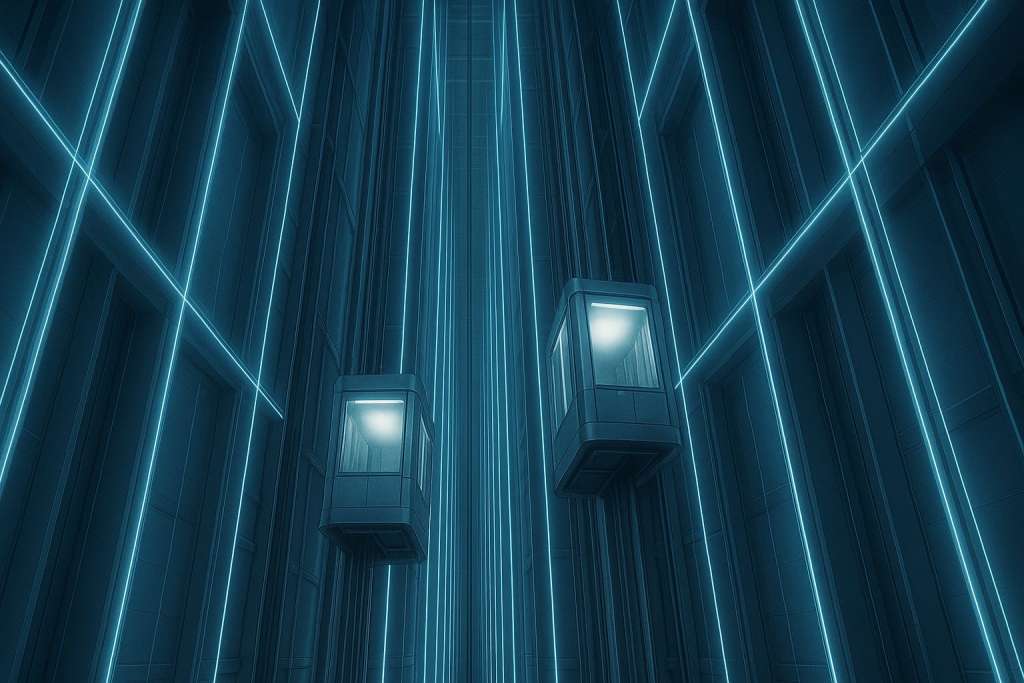
The Burj Khalifa contains one of the most advanced vertical transportation systems ever built.
Elevator Features
- 57 elevators and 8 escalators
- Double-deck cabins for increased capacity
- Speeds up to 10 meters per second
- Zoned access systems for residents, guests, and staff
Mechanical Floors
Every 30 floors, mechanical levels support:
- Air-handling units
- Electrical substations
- Water storage and pumping systems
- Fire safety infrastructure
This ensures consistent pressure, safety, and distribution across the tower.
8. Construction Challenges & Innovations
Building the world’s tallest structure pushed engineering boundaries.
Heat & Environmental Challenges
- Daytime temperatures exceeding 50°C
- Carefully scheduled nighttime concrete pours
- Worker hydration and safety systems
Vertical Assembly
As the height increased, lifts, cranes, and concrete pumps required constant adaptation and reinforcement.
Precision Requirements
Millimeter-level accuracy was critical, especially in the steel spire, which contributes over 200 meters to the building’s height.
Workforce Coordination
More than 12,000 workers from 100+ countries collaborated daily—requiring advanced logistics and communication.
9. Cultural, Social & Economic Impact
The Burj Khalifa has become a global cultural icon.
Tourism
Millions visit each year for:
- Panoramic observation decks
- The Dubai Fountain
- The Dubai Mall
Economic Influence
The tower dramatically boosted:
- Regional tourism
- Real estate values
- Global business investment
Cultural Symbol
It represents Dubai’s rapid rise and ambition as a world city.
10. Lessons for Future Megatall Buildings
The Burj Khalifa provides valuable insights for upcoming skyscraper projects.
Key Lessons
- Aerodynamic shaping is essential for stability
- Sustainability must be integrated from the start
- Mixed-use planning creates functional vertical communities
- Structural systems should be adaptable for future heights
- Monitoring technology (AI + IoT sensors) is critical for maintenance
11. Final Thoughts
This deep exploration of Burj Khalifa architecture shows why the tower remains one of the most remarkable engineering and architectural accomplishments ever built. Its combination of natural inspiration, innovative structure, and environmental awareness sets a new global benchmark for skyscraper design.
Over a decade after its debut, the Burj Khalifa continues to influence architects, inspire engineers, and astonish visitors worldwide.
If you enjoyed learning about Burj Khalifa architecture and want to explore more influential architectural movements, check out this guide to Le Corbusier buildings—an excellent overview of a pioneer who reshaped modern architecture.
