


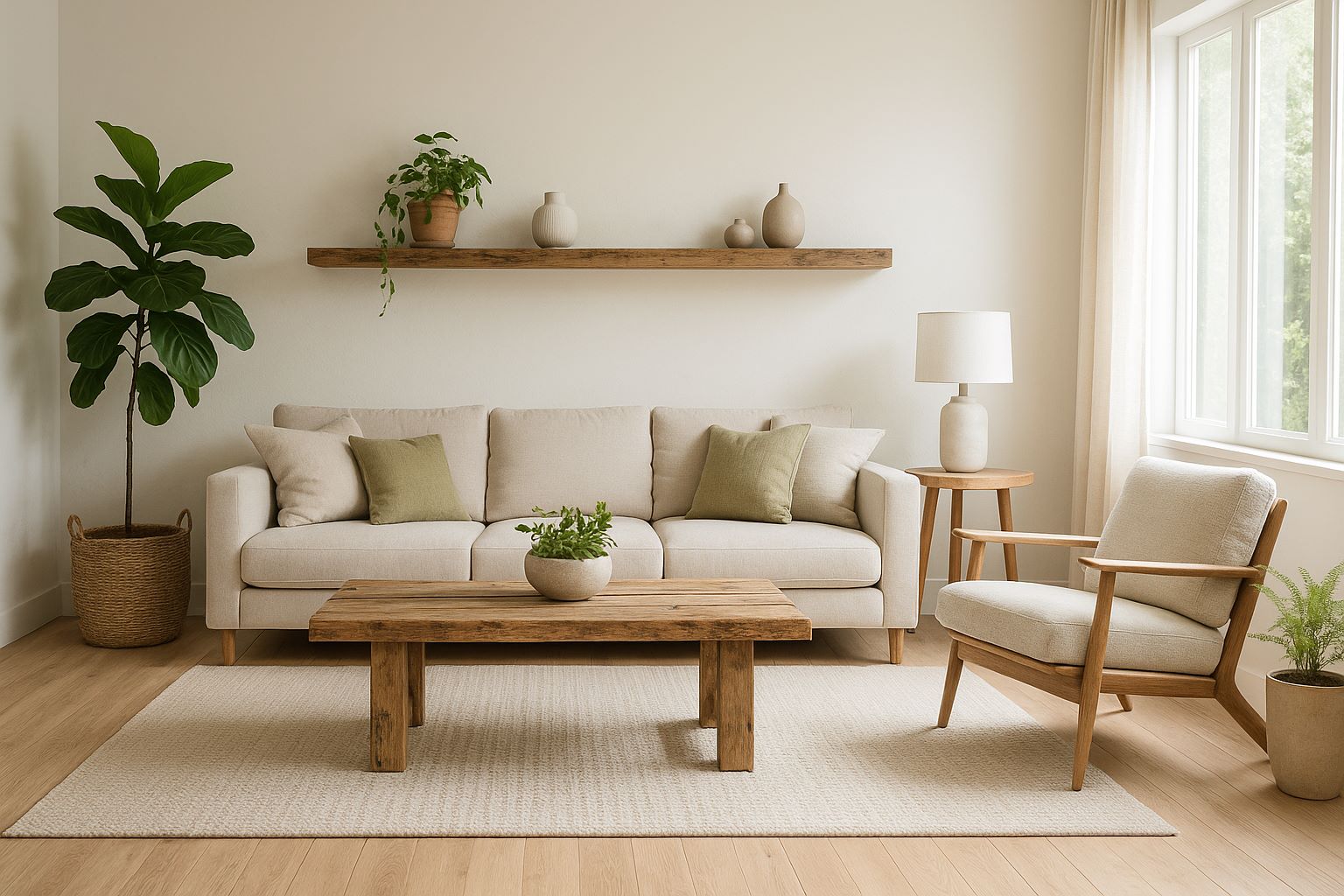

Eco-Friendly Interior Design: The Complete 2025 Guide to Creating a Sustainable, Healthy Home
Eco-friendly interior design has rapidly evolved from a niche movement into a mainstream design approach. Homeowners today want interiors that look beautiful, feel healthy, and reduce environmental impact. Sustainable home design embraces materials that are renewable, biodegradable, responsibly sourced, or low in toxins—all while supporting energy-efficient living.
Whether you’re renovating your home or simply refreshing your décor, this guide will help you make informed, practical choices rooted in real-world sustainable design practices.
Table of Contents
Why Eco-Friendly Interior Design Matters
Traditional interiors often rely on synthetic materials that release VOCs (volatile organic compounds), contribute to landfill waste, or require heavy resource extraction. In contrast, green interior design focuses on improving indoor air quality, enhancing wellbeing, and lowering your carbon footprint through mindful material selection and thoughtful space planning.
A sustainable home isn’t just better for the planet—it’s better for your health and your long-term budget.
How Sustainable Interior Design Reduces Your Carbon Footprint
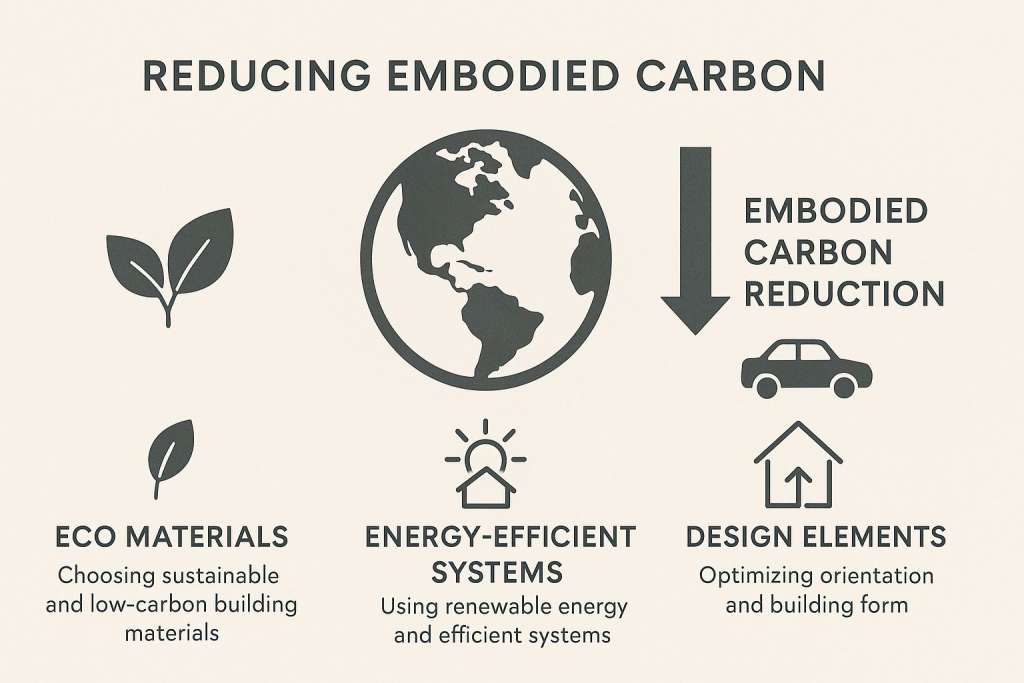
Lower Embodied Carbon
Using reclaimed wood, recycled glass, or natural stone reduces the emissions generated during extraction and manufacturing.
Reduced Energy Consumption
Energy-efficient appliances, LED lighting, and smart thermostats lower monthly utility costs and shrink operational energy use.
Less Waste Over Time
Choosing durable, timeless furniture and finishes reduces the need for replacements, which minimizes landfill waste and unnecessary resource use.
Healthier Indoor Environment
Zero-VOC paints, natural textiles, and non-toxic sealants create cleaner, safer air for you and your family.
Core Principles of Eco-Friendly Interior Design
1. Choose Transparent, Certified Materials
Look for reputable certifications such as FSC® wood, GREENGUARD Gold-certified finishes, Cradle to Cradle® products, and OEKO-TEX® textiles. These labels ensure materials meet strict sustainability and safety standards.
2. Embrace Circular Design
Circular interior design encourages reusing, repurposing, and upcycling items instead of disposing of them prematurely.
3. Support Local & Ethical Manufacturing
Locally sourced materials reduce transportation emissions and often have higher production standards.
4. Prioritize Longevity
Timeless design choices and durable materials reduce renovation frequency—one of the biggest contributors to household waste.
5. Reduce Toxins
Choose water-based finishes, natural fiber rugs, and formaldehyde-free cabinetry for a healthier home environment.
25 Eco-Friendly Interior Design Ideas for a Sustainable Home
A. Sustainable Material Choices
1. Reclaimed Wood Accents
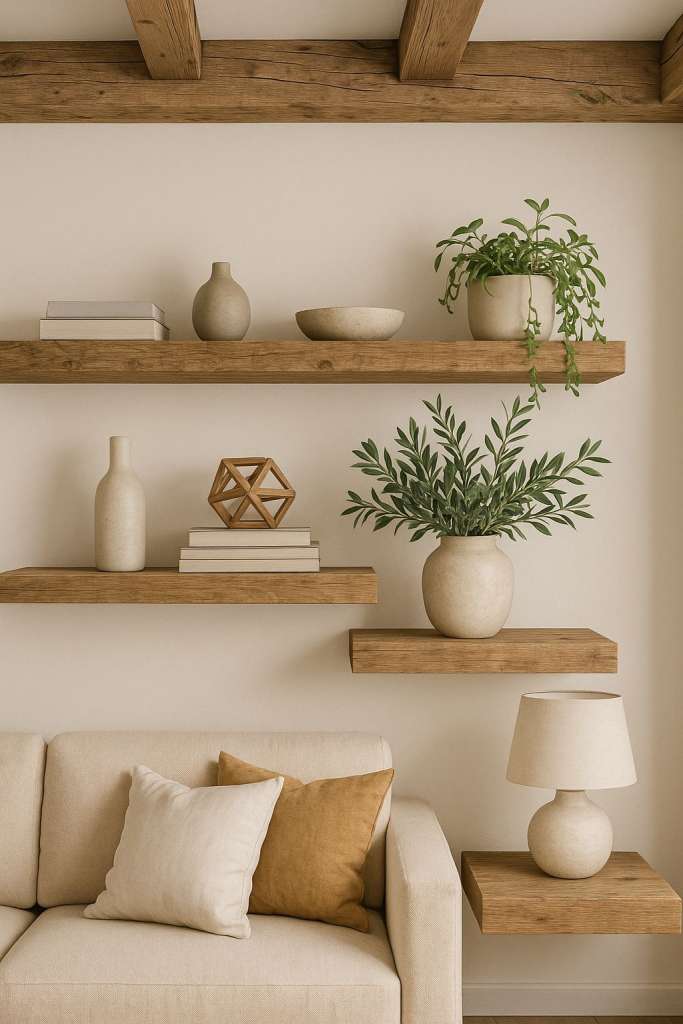
Stunning and sustainable—ideal for shelves, flooring, and statement pieces.
2. Natural Stone Countertops
Select locally quarried stone like soapstone or slate to reduce transportation emissions.
3. Bamboo or Cork Flooring
Resilient, renewable, and naturally beautiful—excellent eco-friendly flooring options.
4. Mineral or Clay-Based Paints
Unlike traditional paints, these offer zero VOCs and texture-rich finishes.
5. Recycled Glass Surfaces
Stylish for kitchens, bathrooms, and tabletops with significantly lower embodied carbon.
B. Low-Impact Furnishings
6. Vintage or Pre-Loved Furniture
Gives character, saves money, and keeps quality pieces out of landfills.
7. Natural Latex Mattress or Sofa Foam
A healthier alternative to synthetic petrochemical foams.
8. Modular Furniture Systems
Easily repairable and adaptable—perfect for flexible, long-lasting interiors.
9. Organic Upholstery Fabrics
Choose organic cotton, wool, hemp, or Tencel® for naturally breathable, durable textiles.
10. Avoid Flame Retardants
Opt for furnishings that use safer, naturally fire-resistant materials.
C. Energy-Efficient Home Upgrades
11. LED Lighting & Smart Controls
Reduce energy use while customizing ambience.
12. Energy Star Appliances
A must for eco-conscious kitchen and laundry upgrades.
13. Solar Tubes & Daylighting
Bring natural light into dark hallways or bathrooms without major construction.
14. Improved Home Insulation
One of the most effective ways to reduce energy loss.
15. Thermal Curtains or Shades
Reduce heat transfer and support year-round comfort.
D. Healthy Indoor Air Strategies
16. Air-Purifying Indoor Plants
Use species like snake plants or peace lilies to supplement clean air strategies.
17. Natural Fiber Rugs
Choose wool, jute, or sisal instead of synthetic polypropylene rugs that shed microplastics.
18. PVC-Free Flooring
Rubber, wood, bamboo, and linoleum are safer, eco-friendly alternatives.
19. Water-Based Sealants
Minimize harmful emissions during renovations.
20. Install a HEPA Air Filtration System
Improves overall indoor air quality—especially important in urban areas.
E. Minimalist & Resource-Conscious Living
21. Maximize Natural Light
Reflective surfaces, wide windows, and light-colored walls make rooms feel spacious and energy-efficient.
22. Declutter Responsibly
Donate items, recycle properly, and avoid unnecessary purchasing.
23. Multi-Purpose Furniture
Saves space and reduces the need for extra furniture.
24. Choose Timeless Design Over Trends
Timeless aesthetics reduce the urge for frequent redecorating.
25. Plan Functional Layouts
Smart space planning reduces renovation waste later.
Room-by-Room Eco Makeover Guide
Living Room
- Natural fiber upholstery
- FSC-certified coffee tables
- LED ambient lighting
Kitchen
- Recycled or natural countertops
- Water-saving faucets
- Energy-efficient appliances
Bathroom
- Low-flow showerheads
- Ceramic or recycled tiles
- Zero-VOC waterproof finishes
Bedroom
- Organic mattress and bedding
- Wool area rugs
- Solid wood furniture free from MDF
Nursery
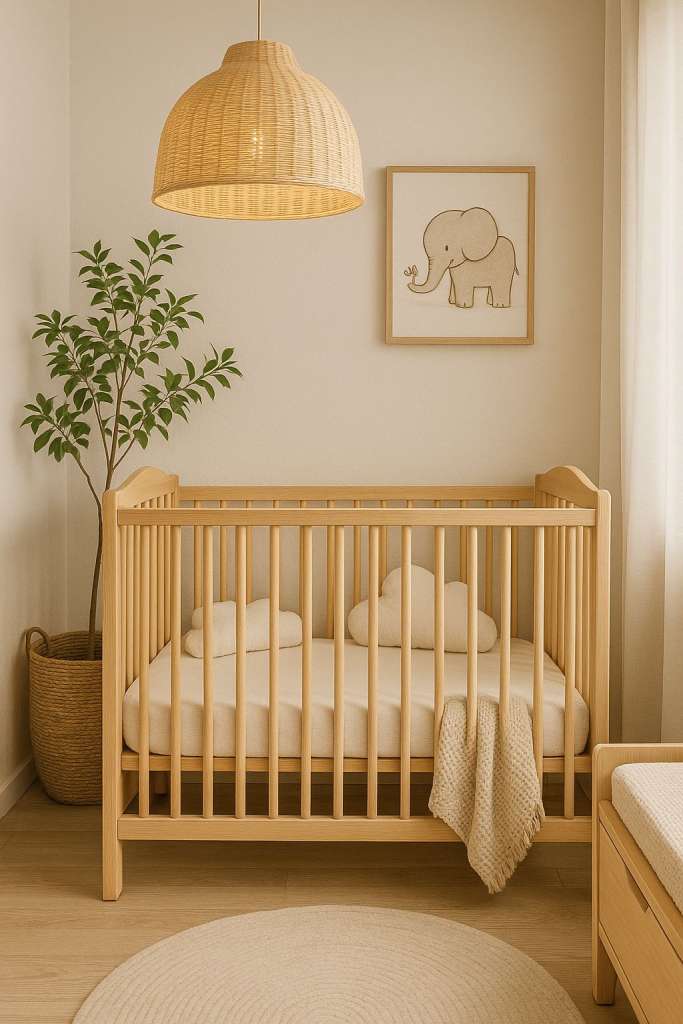
Use VOC-free paint, solid wood cribs, and natural fiber bedding.
Real Case Insights
Case Study: Urban Loft Transformation
For a client with chemical sensitivities, we removed all MDF cabinetry, used lime plaster walls, and installed cork flooring. Result: enhanced indoor air quality and a 28% reduction in energy costs.
Case Study: Eco-Friendly Rental Refresh
Recycled-glass countertops, wool carpets, and LED lighting increased rental value and reduced maintenance issues for the property owner.
Common Mistakes to Avoid
- Believing marketing buzzwords without checking certifications
- Using many plants instead of ensuring proper ventilation
- Choosing cheaply made “eco-style” pieces that won’t last
- Falling for fast trends that cause unnecessary waste
- Replacing materials that could be repaired or refinished
Budget-Friendly Ways to Design Sustainably
- Visit thrift stores and online resale platforms
- Start with high-impact rooms (bedroom, living room, kitchen)
- Restore instead of replace flooring or cabinetry
- Rent tools for DIY projects
- Choose one sustainable change per month
How to Hire an Eco-Friendly Interior Designer
Look for:
- LEED AP, WELL AP, or sustainability-specialized certifications
- Experience working with non-toxic materials
- Local sourcing knowledge
- A clear strategy for reducing embodied carbon
Ask them:
“How do you determine whether a material is genuinely sustainable?”
FAQs (Optimized for Featured Snippets)
What is eco-friendly interior design?
Eco-friendly interior design uses sustainable materials, non-toxic finishes, and energy-efficient elements to create a healthier, low-impact home environment.
How do I make my home more eco-friendly?
Start by switching to zero-VOC paints, LED lighting, natural materials, and durable, timeless furniture.
What materials are best for sustainable interiors?
Reclaimed wood, bamboo, cork, natural stone, organic fabrics, and recycled glass.
How can I reduce toxins in my home?
Use natural fiber rugs, water-based finishes, solid wood furniture, and HEPA filtration systems.
Is eco-friendly interior design expensive?
It doesn’t have to be—buying second-hand, restoring materials, and making gradual improvements keeps costs low.
